Water Softener Buying Guide
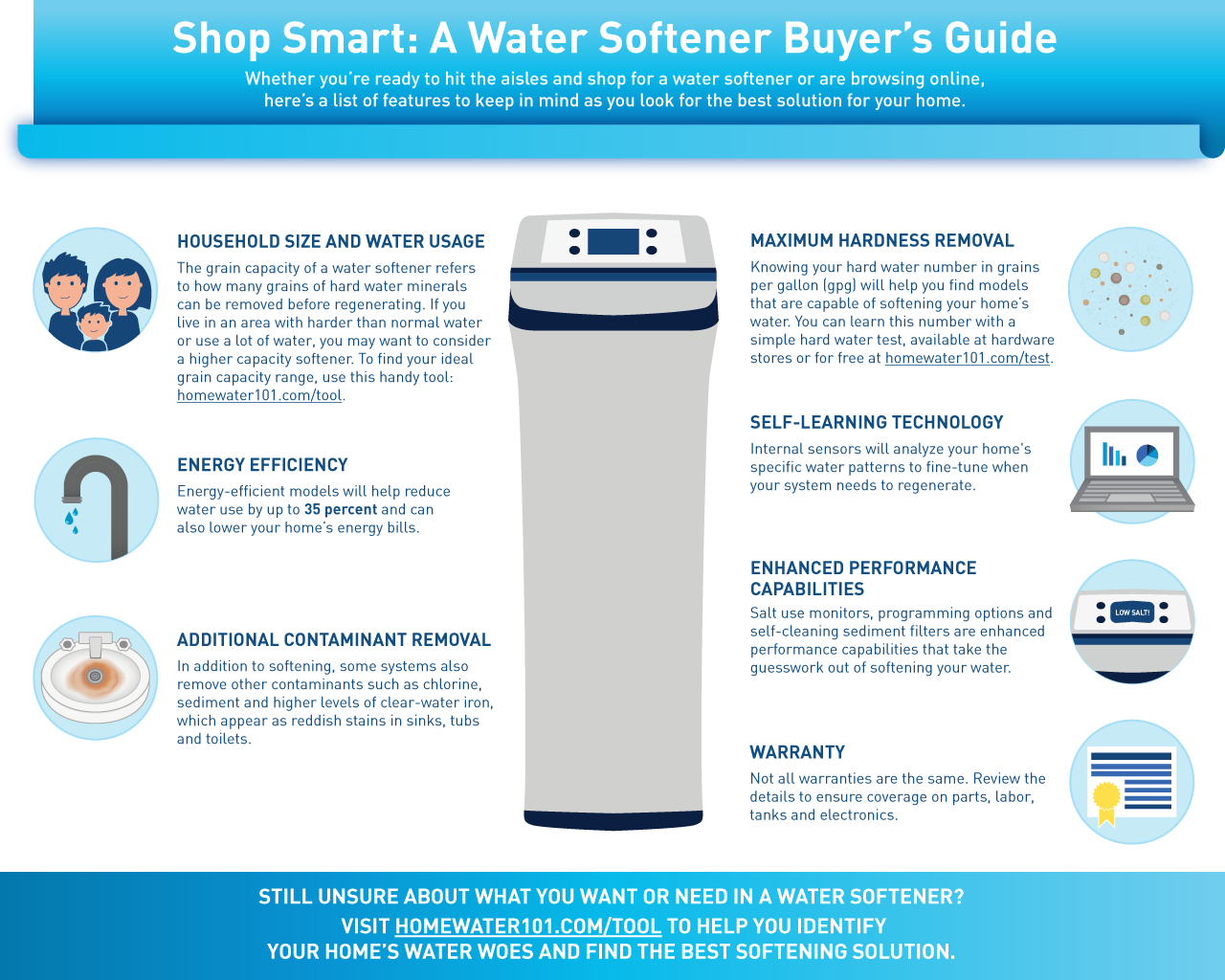
Hard water can quietly damage plumbing systems, reduce appliance lifespan, and make everyday cleaning more difficult. If you’re dealing with scale buildup, dry skin, or soap that never seems to rinse clean, a water softener may be the solution. This water softener buying guide explains how to choose the right system for your home without overpaying or ending up with equipment that doesn’t meet your needs.
Below, you’ll learn how water softeners work, the different types available, how to size a system correctly, cost considerations, and when professional installation makes the most sense.
What Is Hard Water and Why It Matters
Hard water contains elevated levels of minerals, mainly calcium and magnesium. While safe to drink, these minerals cause buildup inside pipes, fixtures, and appliances.
Common hard water problems include:
White scale on faucets and showerheads
Soap scum on tubs and sinks
Dry skin and brittle hair
Cloudy dishes and stiff laundry
Reduced efficiency in water heaters
Over time, scale buildup can lead to plumbing damage and higher energy bills (hard water plumbing issues).
How Water Softeners Work
Most water softeners use a process called ion exchange to remove hardness minerals.
Here’s the basic process:
Hard water flows through a resin tank
Calcium and magnesium are exchanged for sodium or potassium ions
Softened water is distributed throughout the home
The system periodically regenerates, flushing trapped minerals out of the tank using salt or potassium.
Types of Water Softeners
Choosing the right system starts with understanding the available options.

Salt-Based Water Softeners
Salt-based systems are the most common and effective solution for hard water.
Pros:
Removes hardness minerals completely
Prevents scale buildup
Extends appliance lifespan
Cons:
Requires regular salt refills
Periodic maintenance needed
Best for homes with moderate to severe hard water (water softener installation).
Salt-Free Water Conditioners
Salt-free systems condition water rather than softening it.
Pros:
Low maintenance
No salt or chemicals
Environmentally friendly
Cons:
Does not remove minerals
Less effective for very hard water
These systems are better for mild hardness levels (water conditioning systems).
Dual-Tank Water Softeners
Dual-tank systems are designed for high-demand households.
Pros:
Continuous soft water supply
Ideal for large families
No downtime during regeneration
Cons:
Higher upfront cost
Requires more space
Often recommended for homes with multiple bathrooms (whole-home plumbing upgrades).
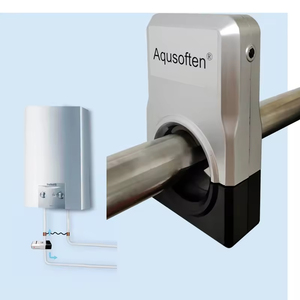
Magnetic and Electronic Descalers
These systems use electromagnetic fields to reduce scale formation.
Pros:
Easy installation
No salt or chemicals
Lower cost
Cons:
- Inconsistent results
- Does not remove hardness minerals
Typically used as supplemental protection rather than primary treatment.
How to Test Your Water Hardness
Before purchasing a system, you need to know your water hardness level.
Ways to test include:
Home water hardness test kits
Local water utility reports
Professional water testing
Hardness is measured in grains per gallon (GPG):
0–3 GPG: Soft
4–7 GPG: Moderately hard
8–12 GPG: Hard
13+ GPG: Very hard
Accurate testing ensures proper system sizing (water quality testing services).
Choosing the Right Water Softener Size
Proper sizing is critical for performance and efficiency.
Sizing depends on:
Water hardness level
Number of people in the household
Daily water usage
A system that’s too small regenerates too often and wears out faster. An oversized system costs more without added benefit.
Professional sizing ensures optimal performance (professional plumbing services).
Understanding Water Softener Grain Capacity
Water softeners are rated by grain capacity, such as:
24,000 grains
32,000 grains
48,000 grains
64,000 grains
Higher grain capacity means:
Less frequent regeneration
Better performance for large households
The goal is to match capacity to your actual water usage.
Installation Location Considerations
Water softeners are typically installed where water enters the home.
Common locations include:
Basements
Utility rooms
Garages
The system must be near:
A drain for regeneration discharge
An electrical outlet
The main water supply line
Correct placement ensures efficient operation and code compliance (plumbing installation services).
Cost of Water Softeners
Costs vary based on system type and size.
Typical price ranges:
Equipment: $500 – $3,000
Installation: $300 – $1,200
Salt-based systems usually cost more upfront but provide the most comprehensive protection.

Ongoing Maintenance Costs
Maintenance is part of ownership.
Ongoing needs include:
Salt or potassium refills
Periodic system cleaning
Occasional part replacement
Annual maintenance costs are minimal compared to the cost of scale-related plumbing damage (preventive plumbing maintenance).
Water Softeners and Septic Systems
Modern water softeners are generally safe for septic systems when properly sized.
Key considerations:
Efficient regeneration cycles
Proper discharge settings
Regular maintenance
Incorrect sizing or outdated systems can cause issues (septic system services).
Drinking Water and Water Softeners
Some homeowners prefer not to drink softened water.
Common solutions:
Potassium chloride instead of sodium
Bypass lines for kitchen sinks
Reverse osmosis systems for drinking water
These options allow flexibility without losing the benefits of soft water.
Common Mistakes to Avoid
Avoid these frequent errors:
Buying a system without testing water hardness
Choosing the cheapest unit available
Ignoring installation requirements
Oversizing or undersizing the system
Poor choices often lead to performance issues and wasted money.
When You May Need More Than a Water Softener
Hard water isn’t always the only issue.
Additional treatment may be needed for:
Iron or sulfur odors
Sediment
Contaminants
A full water analysis helps identify the right combination of systems (whole-home water filtration).
Benefits of Installing a Water Softener
A properly selected system provides:
Cleaner fixtures and appliances
Softer skin and hair
Longer plumbing lifespan
Improved energy efficiency
Reduced maintenance costs
These benefits add value to both comfort and home systems.
DIY vs Professional Installation
DIY Installation:
Lower upfront cost
Higher risk of improper setup
No labor warranty
Professional Installation:
Correct sizing and configuration
Code-compliant installation
Warranty protection
Professional installation often prevents costly mistakes (licensed plumbing services).
How Long Do Water Softeners Last?
With proper maintenance:
Average lifespan is 10–15 years
Control valves may need service over time
Resin tanks can last even longer
Routine care extends performance and reliability.
When to Call a Professional Plumber
Call a professional if:
You’re unsure which system to choose
Water hardness levels are high
Your plumbing system is older
You want long-term reliability
Expert guidance ensures the system fits your home and usage needs.
Final Thoughts on Buying a Water Softener
This water softener buying guide is designed to help homeowners make informed decisions without confusion or overspending. By testing your water, choosing the right system type and size, and installing it properly, you can protect your plumbing system and improve water quality for years to come.
A well-chosen water softener delivers comfort, efficiency, and long-term savings throughout your home. 440-202-6600