Sewer Line Repair vs Replacement
When sewer problems arise, homeowners are often faced with a big decision: repair the sewer line or replace it entirely. Understanding sewer line repair vs replacement helps you make the right call before minor damage turns into a major and expensive plumbing emergency.
This guide explains the difference between sewer line repair and replacement, common warning signs, cost considerations, and how plumbers determine which option is best for your home.
What Is a Sewer Line?
The sewer line is the main pipe that carries wastewater from your home to the municipal sewer system or septic tank. Because it’s buried underground, problems often go unnoticed until serious symptoms appear.
Sewer lines are typically made from:
Clay (older homes)
Cast iron
PVC
ABS plastic
The material, age, and condition of the pipe all affect whether repair or replacement is the better option.
Common Signs of Sewer Line Problems
Sewer line issues rarely appear without warning. Common signs include:
Frequent drain clogs throughout the house
Gurgling sounds from toilets or drains
Sewage odors indoors or outside
Slow drainage in multiple fixtures
Sewage backups in tubs or floor drains
Lush patches of grass over the sewer line
If more than one of these signs is present, the issue is often beyond a simple drain clog (sewer drain cleaning).
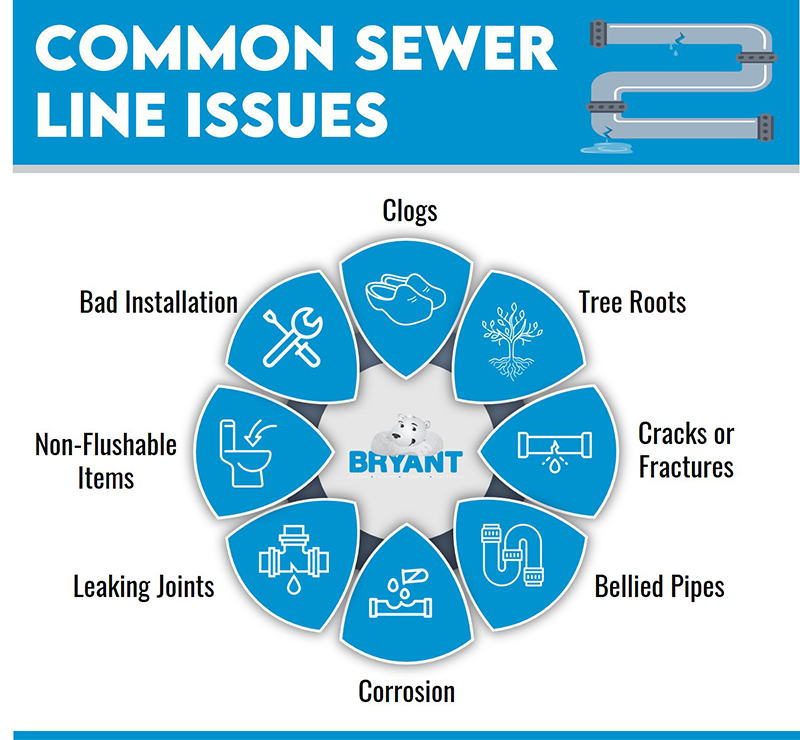
What Is Sewer Line Repair?
Sewer line repair focuses on fixing a specific damaged section of pipe rather than replacing the entire line.
Common Sewer Line Repairs:
Spot repairs for cracks or breaks
Joint sealing
Root intrusion removal
Pipe lining (trenchless repair)
Repairs are best when damage is isolated and the rest of the pipe is in good condition (trenchless sewer repair).
Pros of Sewer Line Repair
Lower upfront cost
Less excavation required
Faster completion time
Preserves landscaping
When damage is minimal, repair is often the most cost-effective option.
Cons of Sewer Line Repair
Not suitable for widespread damage
Older pipes may fail again
Multiple repairs can add up over time
If the pipe is nearing the end of its lifespan, repairs may only delay the inevitable.

What Is Sewer Line Replacement?
Sewer line replacement involves removing the old pipe and installing a new one, either through traditional excavation or trenchless methods.
Replacement is often recommended when:
Pipes are severely corroded
The line has collapsed
Damage is widespread
The sewer line is very old
This option provides a long-term solution (sewer line replacement services).
Pros of Sewer Line Replacement
Long-term reliability
Eliminates recurring problems
New materials meet modern codes
Increases home value
A new sewer line can last 50 years or more depending on material.
Cons of Sewer Line Replacement
Higher upfront cost
Longer project timeline
Possible landscaping disruption
Despite the cost, replacement often saves money over time by eliminating repeat repairs.
Sewer Line Repair vs Replacement: Cost Comparison
Costs vary based on depth, location, and method.
Typical Cost Ranges:
Sewer line repair: $1,500 – $5,000
Sewer line replacement: $4,000 – $15,000+
Trenchless methods may reduce restoration costs, while traditional excavation can increase labor and repair expenses (professional plumbing services).
Trenchless vs Traditional Sewer Replacement
Trenchless Sewer Replacement:
Minimal digging
Faster completion
Less property damage
Traditional Excavation:
Required for collapsed pipes
Necessary when access is limited
More invasive
A camera inspection helps determine which method is possible (sewer camera inspection).
How Plumbers Decide Between Repair and Replacement
Professional plumbers evaluate:
Pipe age and material
Extent of damage
Frequency of past repairs
Root intrusion severity
Overall pipe condition
A sewer camera inspection provides a clear picture of what’s happening underground.
Sewer Line Problems in Older Homes
Older homes are more likely to experience sewer issues due to:
Clay or cast iron pipes
Tree root intrusion
Pipe shifting or settling
Corrosion and scale buildup
In many older homes, replacement is the most reliable long-term option (older home plumbing upgrades).
What Happens If Sewer Problems Are Ignored?
Delaying sewer repairs can lead to:
Raw sewage backups
Structural damage
Mold growth
Health hazards
Much higher repair costs
Early action protects your home and plumbing system.
How to Extend the Life of Your Sewer Line
You can reduce future issues by:
Avoiding grease and wipes in drains
Scheduling routine inspections
Addressing minor clogs early
Keeping trees away from sewer paths
Preventive care helps delay major repairs (preventive plumbing maintenance).
When to Call a Professional Plumber
Call a professional if:
Multiple drains back up
Sewage odors are present
You suspect root intrusion
Clogs keep returning
Sewer line issues require professional tools and expertise.
Final Thoughts on Sewer Line Repair vs Replacement
Choosing between sewer line repair vs replacement depends on pipe condition, age, and the extent of damage. Repairs work well for isolated issues, while replacement provides long-term peace of mind when pipes are failing throughout.
A professional inspection is the best way to make the right decision and avoid unnecessary expense. 440-202-6600