How To Fix A Leaky Faucet
Learning how to fix a leaky faucet can save homeowners money, reduce water waste, and prevent long-term plumbing damage. A faucet that drips constantly may seem minor, but over time it can lead to higher water bills, mineral buildup, and wear on plumbing components. The good news is that many leaky faucets can be repaired with basic tools and a little patience.
This guide explains the most common causes of faucet leaks, how to identify your faucet type, step-by-step repair methods, mistakes to avoid, and when it’s best to call a professional plumber.

Why Faucets Start Leaking
Faucets leak due to normal wear and tear. Every time a faucet is turned on or off, internal parts experience friction and pressure.
Common causes include:
- Worn-out washers
- Damaged O-rings
- Corroded valve seats
- Faulty cartridges
- Loose components
- Mineral buildup from hard water
Identifying the source of the leak is the key to fixing it correctly.
Types of Faucets and Why It Matters
Before making repairs, you need to know what type of faucet you have. Each design uses different internal parts.
Common faucet types include:
Compression faucets
Ball faucets
Cartridge faucets
Ceramic disc faucets
Using the wrong repair method or parts can make the leak worse (plumbing repair services).
Tools and Supplies You’ll Need
Most faucet repairs require only basic tools.
Gather these items before starting:
Adjustable wrench
Screwdrivers (flathead and Phillips)
Replacement washers or cartridges
Plumber’s grease
Plumber’s tape
Towel or rag
Turn off the water supply before disassembling any faucet.
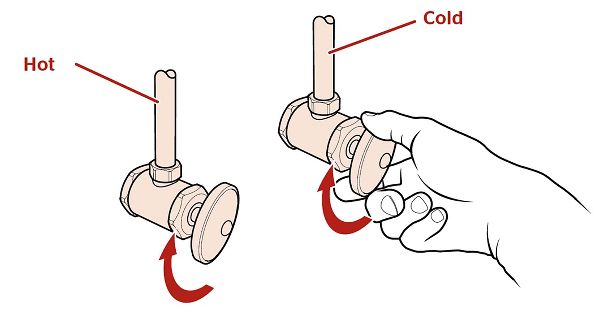
Step 1: Shut Off the Water Supply
Locate the shutoff valves under the sink and turn them clockwise to close. Open the faucet to release any remaining pressure.
If you don’t have individual shutoff valves, you may need to turn off the main water supply (home plumbing inspection).
Step 2: Identify Where the Leak Is Coming From
Different leaks point to different problems.
Dripping from the spout: worn washer, cartridge, or disc
Leak at the handle: damaged O-ring or loose packing nut
Leak under the sink: loose supply lines or valve issues
Pinpointing the leak prevents unnecessary part replacement.
Step 3: Fixing a Compression Faucet Leak
Compression faucets are common in older homes and use rubber washers.
How to fix it:
- Remove the handle
- Unscrew the packing nut
- Take out the valve stem
- Replace the rubber washer at the base
- Reassemble and tighten gently
If the valve seat is corroded, it may need professional repair (faucet repair services).
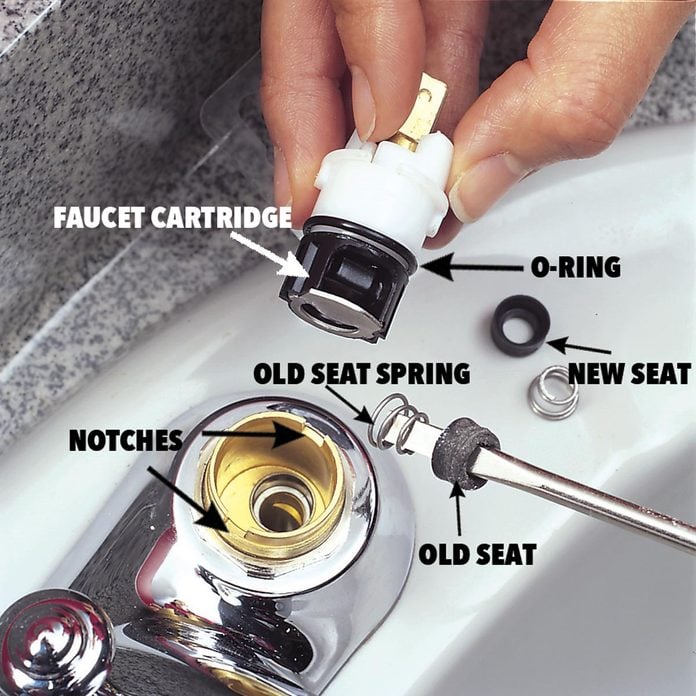
Step 4: Fixing a Cartridge Faucet Leak
Cartridge faucets are found in many modern sinks.
Steps:
Remove the handle
Pull out the cartridge
Install a matching replacement cartridge
Reassemble the faucet
Always bring the old cartridge to the store to ensure an exact match.
Step 5: Fixing a Ball Faucet Leak
Ball faucets have multiple small parts that wear out over time.
Common replacements include:
Springs
Rubber seats
Ball assembly
Most hardware stores sell ball faucet repair kits that include all necessary components.
Step 6: Fixing a Ceramic Disc Faucet Leak
Ceramic disc faucets are durable but can still leak due to debris or worn seals.
How to repair:
Remove the handle
Lift out the disc cartridge
Clean any sediment
Replace seals if needed
These faucets should never be overtightened.
Step 7: Reassemble and Test the Faucet
Once repairs are complete:
Reassemble all components carefully
Turn the water supply back on slowly
Check for leaks at the handle and spout
If dripping continues, the wrong part may have been installed or additional components may be worn.
Common Mistakes to Avoid
Avoiding these mistakes can prevent further damage.
Overtightening components
Using the wrong replacement parts
Forgetting plumber’s grease
Mixing up hot and cold cartridges
Ignoring corrosion
If parts don’t fit correctly, stop and reassess.
When a Leaky Faucet Is a Bigger Problem
Sometimes a faucet leak is a symptom of a larger plumbing issue.
Warning signs include:
Frequent faucet failures
Low water pressure
Mineral buildup throughout the home
Leaks returning quickly after repair
These issues may indicate water quality or pipe problems (plumbing maintenance services).
Water Waste and Cost of Ignoring a Leak
A faucet dripping once per second can waste thousands of gallons of water each year. Over time, this adds unnecessary cost to utility bills and strains plumbing components.
Fixing a leak promptly protects both your home and your budget.
Preventing Future Faucet Leaks
Simple habits can extend faucet life.
Prevention tips:
Avoid overtightening handles
Clean aerators regularly
Address drips immediately
Schedule routine plumbing inspections
Use quality replacement parts
Routine maintenance reduces unexpected repairs (plumbing inspection services).
When to Call a Professional Plumber
Call a plumber if:
The faucet continues leaking after repairs
Internal parts are corroded
You can’t identify the faucet type
Leaks occur under the sink
Water damage is visible
Professional plumbers ensure proper installation and prevent hidden leaks (emergency plumbing services).
Final Thoughts
Understanding how to fix a leaky faucet empowers homeowners to handle a common plumbing issue quickly and safely. With the right tools, correct replacement parts, and careful installation, most faucet leaks can be resolved in under an hour.
If leaks persist or repairs feel overwhelming, a professional plumber can restore proper function and help prevent future plumbing problems.